
Level 1 vs Level 2 EV Charging: What Is the Difference?
Key Takeaways
Level 1 charging uses a standard 120-volt household outlet and typically adds around 2 to 5 miles of driving range per hour.
Level 2 charging uses a 240-volt electrical connection and typically adds about 10 to 30 miles of range per hour, depending on the vehicle and charger.
Level 2 is considerably faster and can recharge many electric vehicles overnight.
A Level 2 charger usually requires a dedicated circuit and professional installation by a qualified electrician.
Level 1 charging may be enough for drivers with short commutes, plug-in hybrids, or plenty of time between trips.
A properly designed solar and EV charging system can help homeowners use solar-generated electricity to power their vehicles.
Level 2 charging is generally the more practical option for Santa Cruz households that drive regularly and want dependable overnight charging.
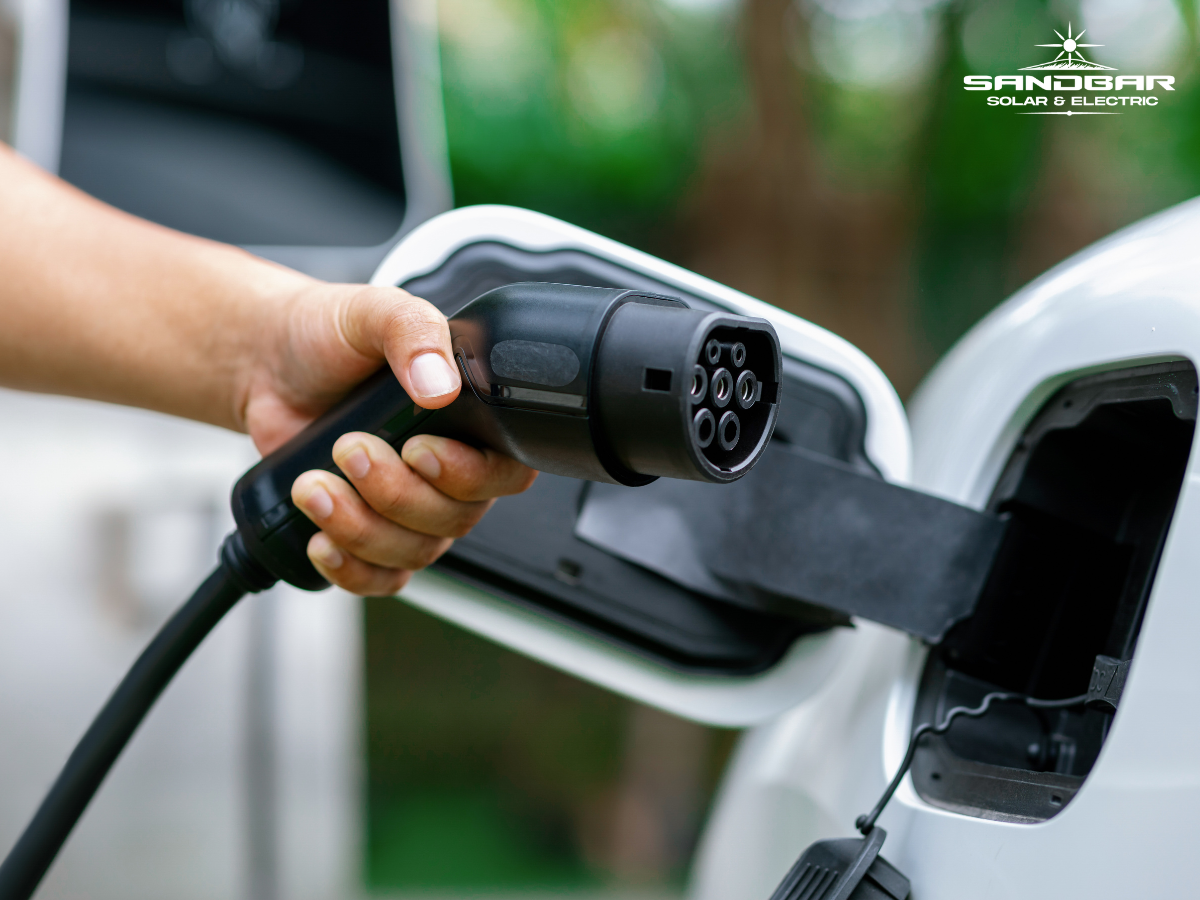
EV Charger
Electric vehicles give drivers a practical way to reduce gasoline use, but owning one also means deciding how and where to charge it. Public charging stations can help during longer trips, although many EV owners prefer the convenience of charging at home.
The two most common home EV charging options are Level 1 and Level 2. Both can charge an electric vehicle, but they operate at different speeds and may require different electrical setups. Understanding these differences can help Santa Cruz homeowners choose a charger that fits their vehicle, driving habits, property, and future energy plans.
What Is Level 1 EV Charging?
Level 1 charging is the most basic home charging option. It uses a standard 120-volt household outlet, similar to the outlets used for lamps, small appliances, and other everyday electronics.
Many electric vehicles include a portable Level 1 charging cable. As a result, some drivers can begin charging without installing separate equipment. The cable plugs into an appropriate household outlet on one end and the vehicle on the other.
However, Level 1 charging is relatively slow. The U.S. Department of Energy estimates that it generally adds around 2 to 5 miles of range per hour. Eight hours of charging may provide approximately 40 miles of range, although actual performance depends on the vehicle, battery, temperature, and charging equipment.
Who May Benefit From Level 1 Charging?
Level 1 may be suitable for drivers who:
Drive only a few miles each day
Own a plug-in hybrid with a smaller battery
Can leave their vehicle connected for long periods
Have access to workplace or public charging when needed
Do not regularly arrive home with a low battery
For example, someone who drives locally between Santa Cruz, Capitola, and Soquel may be able to replace their daily mileage overnight with Level 1 charging. However, a driver with a longer commute or frequent weekend travel may find the slower speed limiting.
What Is Level 2 EV Charging?
Level 2 EV charging uses a 240-volt connection in residential applications. This is the same general voltage used by many larger household appliances, although an EV charger requires an electrical setup designed for its specific power demand.
Level 2 equipment can typically add around 10 to 30 miles of driving range per hour. The Department of Energy also notes that a typical Level 2 setup can charge many EV batteries overnight, making it a common choice for home installations.
Sandbar Solar & Electric specializes in Level 2, 240-volt home charging stations that provide faster, more convenient charging. The equipment can also be integrated with a residential solar system when the home and electrical infrastructure are suitable.
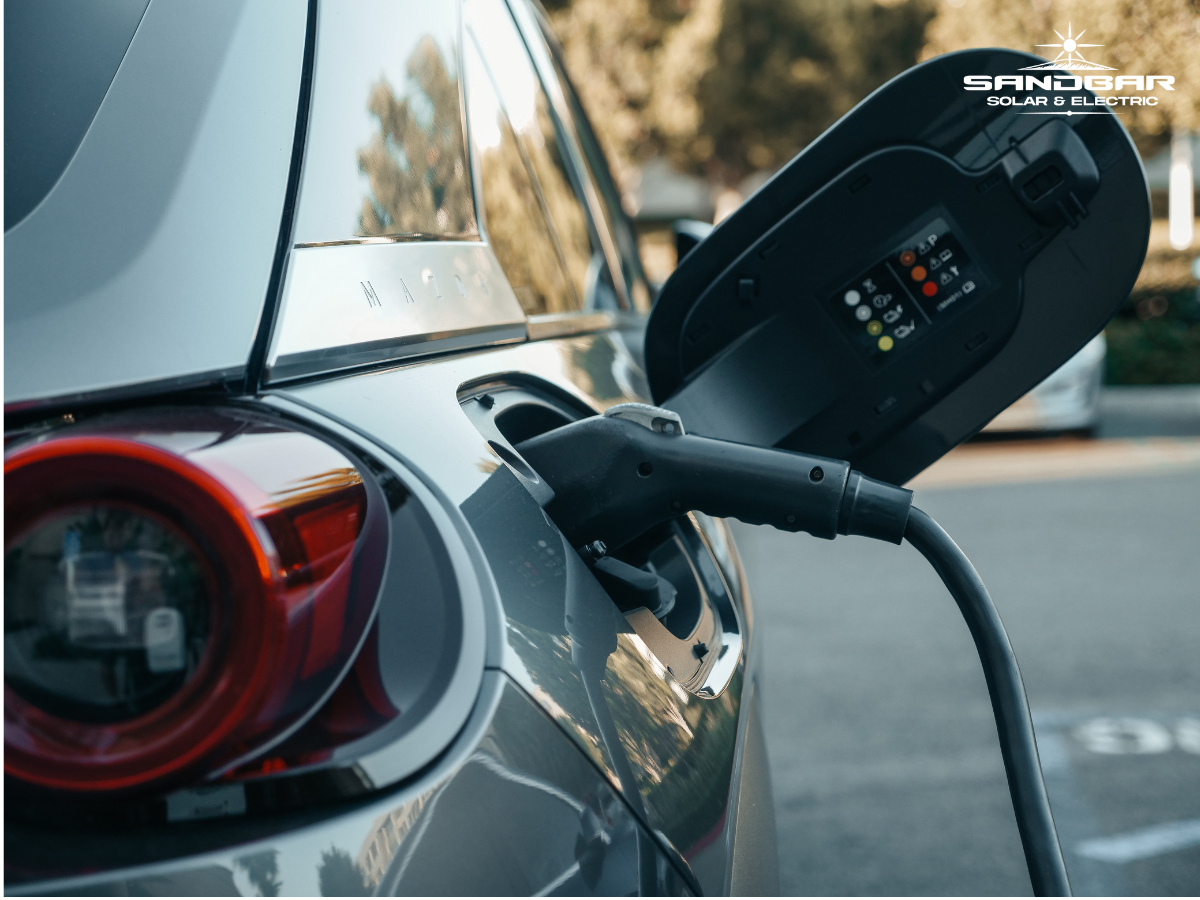
EV Charging Sandbar Solar
Who May Benefit From Level 2 Charging?
Level 2 is often the better option for drivers who:
Use their electric vehicle for a daily commute
Drive more than 30 or 40 miles on a typical day
Own a fully electric vehicle with a larger battery
Want to recharge overnight
Share a charger between multiple electric vehicles
Plan to buy another EV in the future
Want smart scheduling and charging controls
It is also useful for Santa Cruz residents who regularly travel to Watsonville, Monterey, San Jose, or other communities outside the immediate area.
Level 1 vs Level 2 EV Charging Comparison
Level 1 and Level 2 chargers can both charge an electric vehicle at home, but they differ in speed, electrical requirements, and everyday convenience.
Level 1 charging uses a standard 120-volt household outlet. It typically adds about 2 to 5 miles of driving range per hour, making it better suited for plug-in hybrids, short daily commutes, and vehicles that can remain connected for extended periods. Although it may not require new charging equipment, homeowners should still have the outlet and circuit inspected before using them for continuous vehicle charging.
Level 2 charging uses a 240-volt electrical connection and generally adds about 10 to 30 miles of driving range per hour. It usually requires a dedicated circuit and professionally installed charging equipment. Because it can recharge many electric vehicles overnight, Level 2 charging is often the more practical option for fully electric vehicles, longer commutes, and households with multiple EVs.
Actual charging speeds depend on several factors, including the vehicle’s onboard charger, battery size, charger output, electrical capacity, temperature, and current battery level.
Is Level 1 Charging Enough for Your Vehicle?
Level 1 charging can work well when your daily mileage is lower than the range you can recover overnight. However, it can become inconvenient when you regularly use more energy than the charger can replace.
Consider a driver who adds approximately 30 or 40 miles of range during a full night of Level 1 charging. That may cover a short local commute. However, after a longer trip, restoring a large portion of the battery could take more than one night.
Before relying on Level 1, consider:
Your average daily mileage
How many hours does the vehicle stay parked
Whether you have access to another charger
How often do you take longer trips
Whether another household member may purchase an EV
How much reserve range do you prefer to maintain
A qualified electrician should also inspect the outlet and circuit before using them for continuous EV charging. An outlet that works for occasional household appliances may not automatically be appropriate for charging a vehicle for many consecutive hours.
Why Do Many Homeowners Choose Level 2?
The main benefit of Level 2 EV charging is convenience. Instead of planning several charging sessions across multiple days, drivers can often plug in when they arrive home and have the vehicle ready the following morning.
Level 2 charging can also provide more flexibility when:
Your schedule changes unexpectedly
You return from a long drive with a low battery
Two household members use electric vehicles
Your next vehicle has a larger battery
You need more range before an early morning trip
For many homeowners, installing Level 2 equipment turns charging into a simple routine rather than something that requires frequent planning.
Does Your Electrical Panel Support a Level 2 Charger?
Before installing a Level 2 charger, an electrician must determine whether the property has enough electrical capacity. Charging equipment creates a significant and continuous load, so the charger, wiring, circuit breaker, and electrical panel must work together safely.
An electrical assessment may review:
The rating and condition of the main electrical panel
The home’s existing electrical demand
Available breaker space
Charger amperage and vehicle requirements
Distance between the panel and the parking area
Whether the equipment will be hardwired or plugged in
Future solar, battery, or electrification plans
Some homes can support a charger through their existing panel. Others may need load-management technology, a dedicated circuit, or an electrical service upgrade. Choosing equipment before completing this assessment can result in purchasing a charger that is not suitable for the property.
Can You Charge an EV With Solar Power?
Solar panels and home EV charging can work together. During daylight hours, a solar system produces electricity to power household loads, including an EV charger when the vehicle is connected.
However, installing solar panels does not automatically mean every charging session uses only solar energy. Production changes throughout the day, while many drivers charge after sunset. System size, charging schedule, household consumption, battery storage, utility arrangements, and vehicle use all affect the extent to which solar energy can support EV charging.
A coordinated design can help align:
Solar production
Household electricity demand
EV charging schedules
Battery storage
Electrical panel capacity
Expected future energy use
Sandbar Solar & Electric provides residential solar, battery storage, electrical upgrades, and Level 2 charging solutions. Keeping these services under one experienced local team can help homeowners avoid designing each component separately.
Contact Sandbar Solar & Electric for Residential EV Charging Solutions in Santa Cruz and Monterey, CA
Contact Sandbar Solar & Electric to discuss installing a Level 2 EV charger at your Santa Cruz home. The team can assess your current electrical system and recommend a charging solution that fits your vehicle, driving routine, and long-term energy goals.
Sandbar Solar & Electric serves homeowners in Santa Cruz, Aptos, Capitola, Soquel, Scotts Valley, Watsonville, Felton, Boulder Creek, and surrounding Santa Cruz County.
Frequently Asked Questions
How long does it take to charge an electric vehicle at home?
Level 1 charging can take more than a full day to recharge a large EV battery, while Level 2 charging can often provide a substantial charge overnight. Actual charging time depends on the vehicle, battery size, charger output, and remaining battery level.
Do I need to upgrade my electrical panel for a Level 2 EV charger?
Not every home needs a panel upgrade. A qualified electrician can assess your current electrical capacity, available breaker space, and household energy use to determine whether an upgrade or load-management solution is needed.
Can Sandbar Solar & Electric connect an EV charger to a solar energy system?
Yes. Sandbar Solar & Electric can design an EV charging solution that works alongside your solar panels, battery storage, and home electrical system, helping Santa Cruz homeowners make better use of solar-generated electricity.