
Key Takeaways
Most homes can support solar with the right design. Roof orientation, sun exposure, and layout can usually be optimized so solar power for residential homes performs efficiently across Santa Cruz and Monterey.
Higher energy use often means stronger long-term value. Homes with larger electricity bills typically benefit most from residential solar, not only through savings but through predictable, stable energy costs.
Professional system design maximizes results. Custom design accounts for roof condition, shading, electrical capacity, and future needs to deliver reliable, long-term performance.
Santa Cruz and Monterey are especially solar-friendly. Local climate conditions and high utility rates make residential solar a cost-effective investment for many homeowners.
Solar adds lasting home value. Beyond lowering monthly bills, residential solar systems can increase property value and help protect against rising electricity rates.
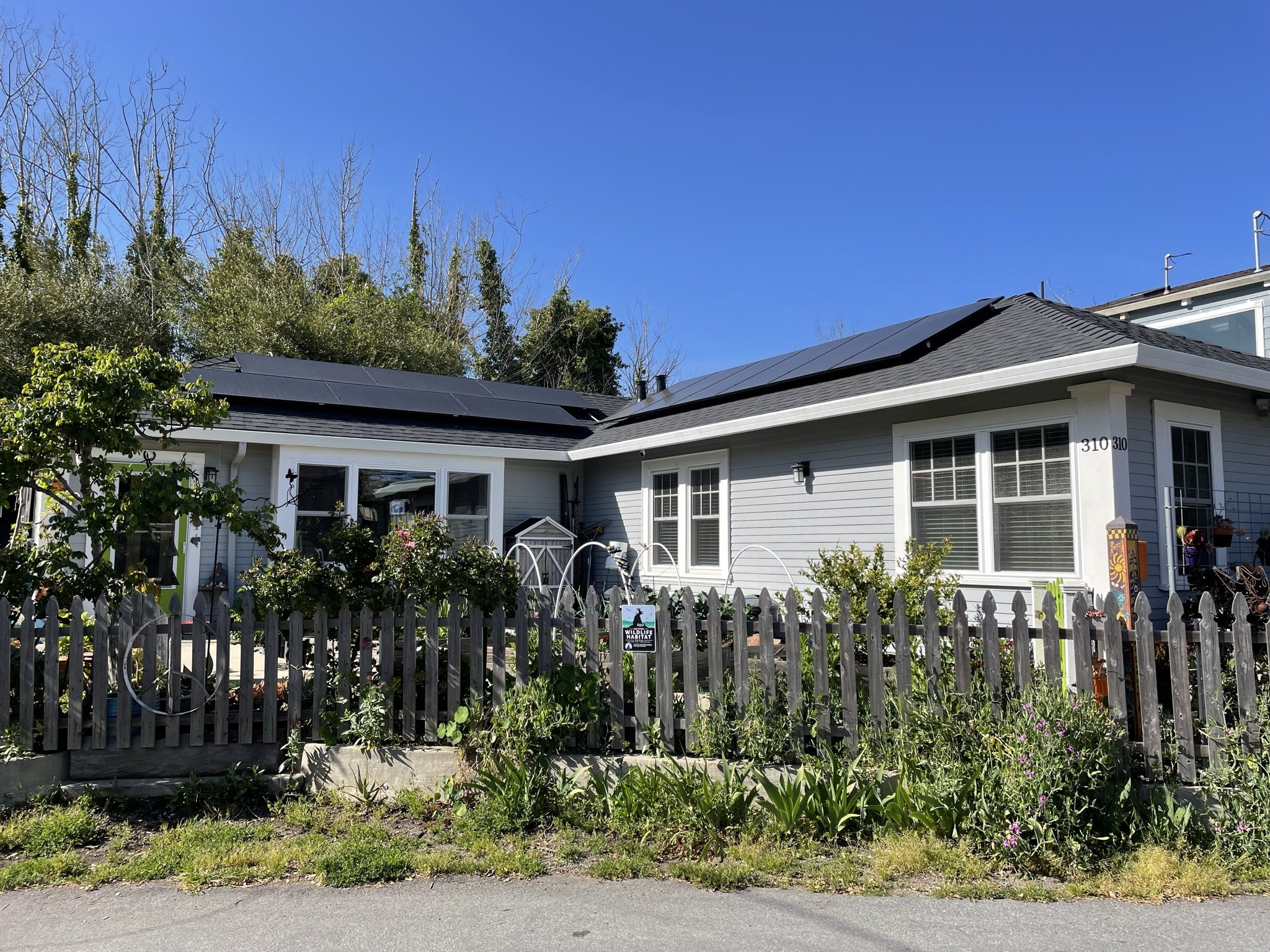
solar panel installation in Santa Cruz and Monterey CA
Solar power for residential homes has become one of the most practical ways for homeowners to lower energy bills, gain control over long-term electricity costs, and invest in their property’s future. With utility rates continuing to rise across California, many homeowners ask the same question: Is my house good for solar panels?
The answer depends on several key factors, including your roof, sun exposure, energy use, and electrical setup—which we’ll walk through below. Understanding these details helps determine whether residential solar is the right fit for your Santa Cruz or Monterey home.
What Makes a Home a Good Candidate for Solar Power?
Every home is different, and solar performance depends on a combination of physical and electrical factors. Fortunately, modern solar technology is flexible and can be adapted to many property types.
Roof Orientation & Sun Exposure
Homes that receive consistent sunlight throughout the day are ideal for solar power. South-facing roofs generally produce the most energy, but east- and west-facing roofs can also deliver strong performance with proper system design. Even homes without perfect orientation can still benefit from solar when panels are strategically placed.
Shading Considerations
Trees, chimneys, nearby structures, and roof features can create shading that reduces output. However, professional design evaluates shading patterns throughout the year and places panels where they will generate the most energy overall. In many cases, shading challenges can be successfully worked around.
Roof Condition & Materials
Because solar panels are built to last decades, your roof should be in good condition before installation. Newer or well-maintained roofs are excellent candidates. Common roofing materials in Santa Cruz and Monterey—such as asphalt shingles, tile, and metal—are all compatible with residential solar systems.
If a roof replacement or repair is needed, addressing it before installing solar helps ensure long-term system reliability and avoids unnecessary disruption later.
How Solar Panels Work
Understanding how solar power for residential homes works can make the decision process easier. The system itself is straightforward and highly reliable.
Solar panels are made up of photovoltaic (PV) cells that capture sunlight. When sunlight hits these cells, it creates an electrical current. This electricity is produced as direct current (DC), which your home cannot use on its own.
That’s where the inverter comes in. The inverter converts DC electricity into alternating current (AC), which is the type of power used by your home’s appliances, lighting, and electrical outlets.
Most residential systems in Santa Cruz and Monterey are grid-tied, meaning they stay connected to the utility grid. This allows your home to use solar energy during the day while drawing from the grid at night or during periods of lower production. Any excess energy your system produces is typically sent back to the grid, helping offset future electricity use through utility credits.
How Your Energy Usage Impacts Solar Savings
One of the strongest indicators that solar power for residential homes makes sense is your household’s electricity usage. Homes with higher monthly energy consumption often see the greatest financial impact from solar.
Residential solar systems are custom-sized based on how much electricity your home actually uses. Rather than relying on a one-size-fits-all approach, system design focuses on offsetting a portion—or in some cases, nearly all—of your household’s energy needs.
In addition to savings, solar provides long-term bill stability. As utility rates continue to rise, producing your own electricity helps protect your household from unpredictable cost increases.
Is Solar Worth It in Santa Cruz?
Santa Cruz County is an excellent location for residential solar. Strong year-round sunlight combined with high electricity rates creates an environment where homeowners can see meaningful long-term benefits.
Santa Cruz homeowners also benefit from California’s Net Energy Metering (NEM) policies and the federal Solar Investment Tax Credit (ITC), which can significantly improve system return on investment. Professional installers handle the incentive paperwork, ensuring homeowners receive the benefits they qualify for.
Beyond savings, solar supports local values. Investing in residential solar aligns with Santa Cruz’s sustainability goals and can provide added resilience during Public Safety Power Shutoff (PSPS) eents that affect parts of the region.
Electrical Systems and Panel Capacity
Your home’s electrical system plays an important role in solar readiness. In some cases, an electrical panel upgrade may be recommended to safely support a new solar installation. Rather than being a setback, this upgrade improves overall electrical safety and reliability.
Working with a team that provides both solar and electrical expertise helps streamline the process and ensures your system is designed correctly from day one.
Why Professional Design Matters
Professional system design is one of the most important factors in long-term solar performance.
Customized to your home: Solar power for residential homes works best when systems are designed specifically for your roof size, layout, and orientation.
Optimized for sun exposure: Designers analyze shading and sunlight patterns to position panels where they will produce the most energy throughout the year.
Aligned with energy goals: A custom design reflects how much electricity your household uses and how much you want to offset.
Prepared for future upgrades: Professional planning accounts for additions like battery storage or electric vehicle chargers.
Built for long-term efficiency: Proper design ensures reliable performance today while maintaining flexibility for years to come.
Why Homeowners Choose Sandbar Solar & Electric
After more than 19 years of successful projects, Sandbar Solar & Electric has become the most established, locally owned solar and electrical company in Santa Cruz County. Every residential solar installation is custom-designed to reduce energy bills, increase property value, and deliver dependable long-term performance.
From free estimates and expert design to professional installation, homeowners benefit from a team that understands local permitting, utility requirements, and California energy incentives. With thousands of completed residential and commercial solar projects across the Central Coast and Bay Area, experience truly makes the difference.
Contact Sandbar Solar & Electric for Residential Solar in Santa Cruz and Monterey
If you’re considering solar power for residential use, the best next step is a professional evaluation. A simple assessment can show how much energy your home can produce, what your potential savings look like, and whether now is the right time to go solar.
Schedule a free residential solar estimate with Sandbar Solar & Electric today and find out if your Santa Cruz or Monterey home is ready to start generating clean, cost-saving solar power.
Frequently Asked Questions
1. Is my house a good fit for solar power for residential use?
Most homes are, especially those with good sun exposure and a roof in solid condition. A professional site evaluation provides the most accurate answer.
2. How do solar panels generate electricity?
Solar panels use photovoltaic cells to convert sunlight into electricity, which is then converted by an inverter into usable power for your home.
3. Do solar panels work on cloudy or foggy days?
Yes. Solar panels still produce electricity during cloudy or foggy conditions, though output may be reduced compared to full sun.
4. What happens to the extra energy my panels produce?
Excess energy is typically sent back to the utility grid, where it can earn credits that offset future electricity use.
5. How long do solar panels last?
Most residential solar panels are designed to last 25 years or more, with many systems continuing to produce well beyond that timeframe.
6. Do solar panels require a lot of maintenance?
Solar systems require very little maintenance. Occasional inspections and cleaning are usually sufficient to keep systems operating efficiently.