
Solar Power for Santa Cruz Homes: What to Know Before You Switch
Key Takeaways
Solar power can significantly reduce long-term electricity costs for Santa Cruz homeowners
Coastal weather conditions require proper system design and professional installation
Custom solar systems outperform generic, one-size-fits-all packages
Batteries can increase savings by improving the self-consumption of solar energy
Local experience matters for permits, inspections, and long-term system reliability
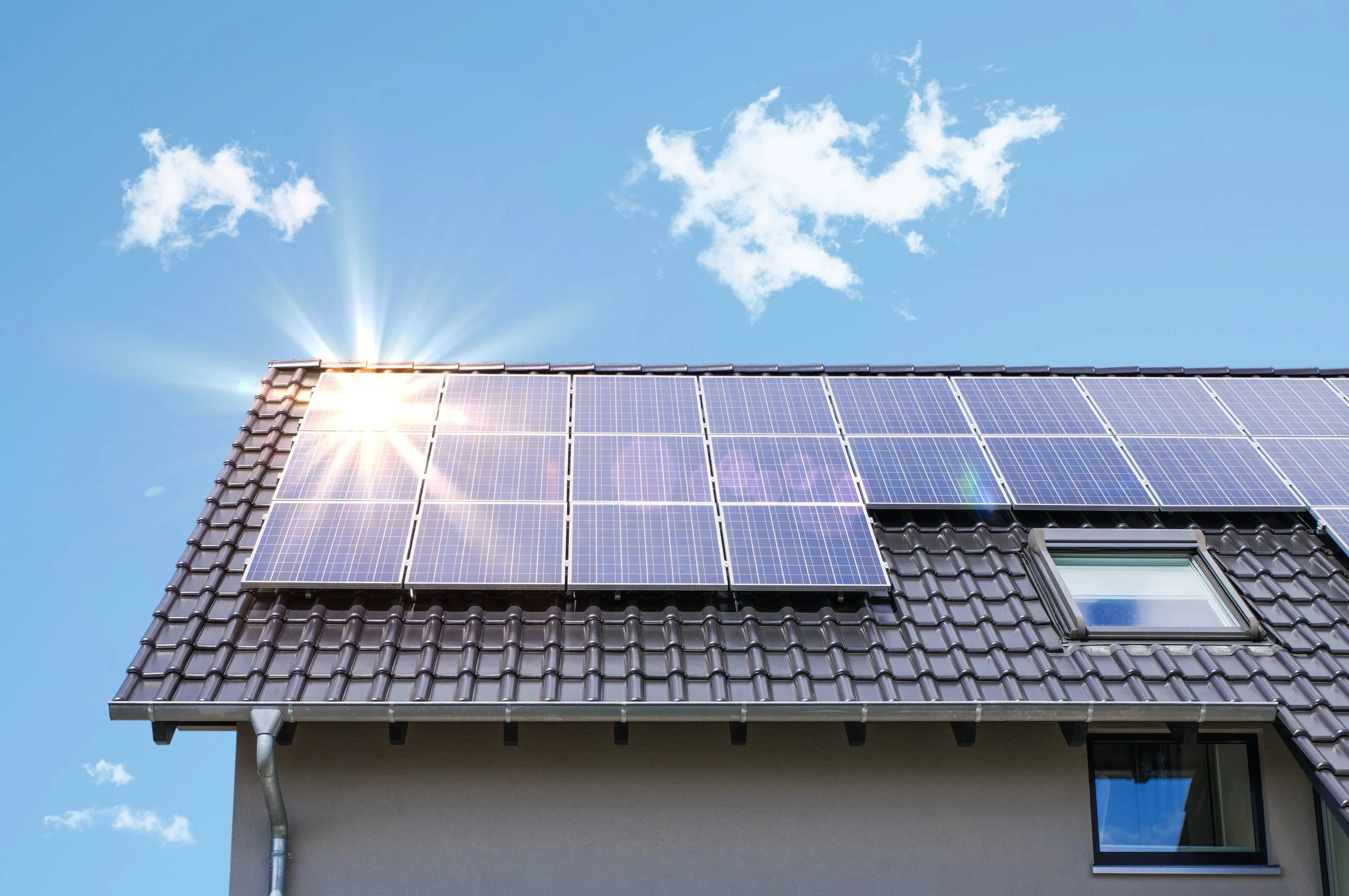
solar panels
Solar power has become one of the most talked-about energy solutions in California, and homeowners in Santa Cruz are paying close attention. Rising electricity costs, coastal environmental concerns, and long-term savings are driving more families to explore solar energy. However, switching to solar is not just about installing panels on a roof. It requires smart system design, local expertise, and a company that understands Santa Cruz conditions.
Sandbar Solar & Electric has designed and installed high-performance solar systems across Santa Cruz and Monterey County. Our team holds the required California C-10 electrical contractor license and follows all state and local code requirements, ensuring every system meets strict safety and performance standards.
Understanding how solar power works, what benefits it offers, and how the installation process unfolds can help you make a confident decision.
Why Solar Power Makes Sense in Santa Cruz
Santa Cruz receives strong, consistent sunlight throughout the year, making it an excellent location for solar energy production. Even during coastal fog cycles, modern panels still generate meaningful output. While energy rates continue to rise, solar power gives homeowners more control over their utility costs.
Residential solar energy is also a long-term investment. Instead of paying escalating utility bills year after year, homeowners redirect those costs into a system that builds equity and increases property value. Additionally, California’s energy policies continue to reward smart solar design and self-consumption strategies.
However, not all solar systems perform equally. Panel placement, roof structure, shading, inverter choice, and system sizing all influence performance. A professionally engineered system produces more energy and avoids costly inefficiencies.
How Coastal Weather Affects Solar Panel Performance
Many homeowners ask whether solar panels in fog still perform efficiently. The answer is yes, but performance depends on system design.
Santa Cruz experiences regular marine layer cycles. While thick fog can reduce direct sunlight temporarily, solar panels still generate electricity through diffused light. In fact, modern high-efficiency panels perform well in coastal climates.
That said, coastal solar performance also depends on material quality. Salt air exposure can accelerate corrosion if installers use low-grade mounting hardware. Homes near Pleasure Point may face more salt spray than properties in the San Lorenzo Valley, so sealants, mounting systems, and protective coatings must be selected accordingly. Local expertise ensures systems withstand long-term coastal conditions.
Is Solar Power Worth It in Santa Cruz?
For most homeowners, the answer is yes — especially when comparing long-term energy costs.
Solar vs Utility Electricity Costs in Santa Cruz
Utility rates in California continue to trend upward, particularly under PG&E’s tiered and time-of-use structures. As rates increase, homeowners have less control over monthly energy expenses.
Solar provides cost stability. Once installed, your system produces energy at a predictable long-term cost. While utility rates may fluctuate, your solar production remains consistent for decades.
Over time, this gap widens. The longer you stay in your home, the more valuable solar becomes.
Quick Cost Snapshot
Most Santa Cruz homeowners invest approximately $18,000–$30,000 before incentives, depending on system size and roof complexity. Payback periods typically range from 6–10 years, depending on usage and energy rates.
Exact savings depend on household consumption, roof orientation, and whether battery storage is included.
The Real Savings Behind Solar Power
One of the biggest misconceptions about solar power is that savings are immediate and automatic. In reality, the financial benefit comes from thoughtful design and realistic expectations.
A properly designed system:
Offsets a large percentage of grid electricity
Protects against future rate hikes
Reduces peak energy charges
Improves home resale value
Battery storage can amplify these benefits. When paired with solar panels, batteries allow homeowners to store excess daytime energy and use it at night. This increases self-consumption and reduces reliance on the grid, especially under modern net billing structures.
Sandbar Solar & Electric designs systems around real usage patterns instead of generic estimates. This approach delivers better financial outcomes and long-term performance.
Should You Add a Battery to Your Solar System?
Battery storage has become increasingly relevant under California’s net billing policies.
Benefits of Battery Storage
Stores excess daytime energy for nighttime use
Improves self-consumption
Reduces reliance on the grid
Helps offset peak electricity rates
Backup Power During Outages
During a PG&E Public Safety Power Shutoff, standard grid-tied solar systems shut down for safety. However, adding a battery allows essential circuits to remain powered during outages.
When Batteries May Not Be Necessary
If your primary goal is long-term bill reduction and outages are rare in your area, a battery may not always be required. A professional consultation helps determine whether storage aligns with your goals.
The Installation Process Explained
Solar installation follows a structured process that ensures safety, compliance, and optimal performance. While it may seem complex, experienced contractors streamline each step.
Site Assessment and System Design
A professional assessment evaluates roof orientation, shading, electrical capacity, and structural integrity. This information determines the ideal system layout.
Permitting and Utility Coordination
Santa Cruz permitting requirements can be detailed, and utility coordination requires precision. Local experience prevents delays and ensures smooth approvals.
Installation and Inspection
Certified solar technicians install panels, inverters, and electrical components according to California code. After installation, inspections confirm safety and compliance.
System Activation
Once approved, the system connects to the grid and begins producing power. Monitoring tools allow homeowners to track performance in real time.
Working with a company that manages the full process eliminates guesswork and reduces stress.
Choosing the Right Solar Partner in Santa Cruz and Monterey, CA
The best solar companies do more than sell panels. They act as energy consultants who design systems around your goals, budget, and home structure.
Look for a contractor that:
Designs custom systems instead of pre-packaged kits
Provides clear savings projections
Handles permits and inspections in-house
Offers ongoing support after installation
Has strong local experience and references
Solar power is a decades-long investment. Choosing the right partner determines whether the system performs as promised.
Contact Sandbar Solar & Electric for Solar Power in Santa Cruz and Monterey, CA
Switching to solar power is one of the smartest energy decisions Santa Cruz homeowners can make. However, the results depend entirely on system design and installation quality.
Sandbar Solar & Electric provides custom solar solutions built for coastal California conditions. From design and permitting to installation and long-term support, every project focuses on performance, safety, and savings.
If you are considering solar power for your home or business, speak with a local expert who understands Santa Cruz's energy needs. Contact Sandbar Solar & Electric today for a professional consultation and discover how solar can work for you.
FAQs About Solar Power
How much does a solar system typically cost in Santa Cruz?
Most systems range from $18,000–$30,000 before incentives, depending on size and equipment.
Do solar panels require regular maintenance?
Solar systems require minimal maintenance. Occasional cleaning and system monitoring help maintain peak output.
Will solar panels work during a power outage?
Standard systems shut off during outages unless paired with a battery.
Do I need HOA approval in Santa Cruz?
Some HOAs require architectural review. However, California law limits unreasonable restrictions on solar installations.
How do wildfires affect solar installations?
Wildfire smoke may temporarily reduce output, but systems typically resume normal performance once air quality improves.
What happens during a PG&E power shutoff?
Without a battery, systems shut down for safety. With battery storage, essential circuits can remain powered.
How long do solar panels last?
Most modern panels last 25–30 years or longer.
Will solar work during foggy or cloudy days?
Yes. Panels generate electricity even in diffused coastal light.